Kiera: I really liked how you showed the firs of 1666 in your photos. I also really likes all of the photos you chose!
Rachael: I liked how you put so much information in your blog. It provided me with a lot of knowledge from this time period.
Wednesday, April 13, 2016

ENGLISH PERIOD MIDDLE RENAISSANCE
The English period middle Renaissance is also known as English Restoration that occurred from 1660-1750. The great fire of 1666 burned a large section of London and that is when Sir Christopher Wren set new standards of design. He called this design "Baroque Urban Design." This style was greatly influenced by the French. He also developed new standards for housing by specifying wall thicknesses, floor heights, and materials. He started zoning and construction regulations. He was the most renowned English architect of all time. His masterpiece was St. Paul's Cathedral located in London, England.
Another major thing that happened during this period was the revocation of Edict of Nantes by Louis XIV. He denied equality to protestants. Mary Stuart married a dutch husband named William III. Together they set new standards of furniture. They focused more on comfort than detailing. They like beautiful furniture by the mass and used upholstery for the first time. They also shifted form using oak to walnut.
Queen Anne was neither interested nor influential but she did like developments in social living like tea drinking and parlor games of choice. She focused on simple interiors when it came to design. She like paper of silk on the walls. She influenced the English trade with China because she liked original Chinese furniture, Lacquer, corner display cabinets designed for porcelain, drinking tea, and small tea tables. She also liked Mahogany which was from Cuba and Santo Domingo. She thought it was easier to work with compared to walnut.
PHOTOS:


CURRENT APPLICATIONS:


YOUTUBE: https://www.youtube.com/watch?v=RYV8D007qRc
Another major thing that happened during this period was the revocation of Edict of Nantes by Louis XIV. He denied equality to protestants. Mary Stuart married a dutch husband named William III. Together they set new standards of furniture. They focused more on comfort than detailing. They like beautiful furniture by the mass and used upholstery for the first time. They also shifted form using oak to walnut.
Queen Anne was neither interested nor influential but she did like developments in social living like tea drinking and parlor games of choice. She focused on simple interiors when it came to design. She like paper of silk on the walls. She influenced the English trade with China because she liked original Chinese furniture, Lacquer, corner display cabinets designed for porcelain, drinking tea, and small tea tables. She also liked Mahogany which was from Cuba and Santo Domingo. She thought it was easier to work with compared to walnut.
PHOTOS:
CURRENT APPLICATIONS:
YOUTUBE: https://www.youtube.com/watch?v=RYV8D007qRc
Sunday, April 10, 2016
Neoclassical Review
Holli: I like the current applications you chose. You also did a good job summarizing this period.
Lisa: I liked the pictures you chose because they helped me understand the style. I also liked the the way you summarized your writing.
Lisa: I liked the pictures you chose because they helped me understand the style. I also liked the the way you summarized your writing.
Tuesday, April 5, 2016
French 4 NEOCLASSICAL STYLE
The Rococo ended by woman and not by the king and court. It is interesting because King Louis XV favorite women actually turned the Rococo style toward classicism. One of those woman was Madame de Pompadour who developed art and architecture in France. She also sponsored work of serves and lead movement toward Eastern products.
When it came to architecture there were strict themes for hospitals, government offices, and railroad stations. Walls were painted to look like marble using dark greens and reds. Ancient Egyptian ornamentation and decorative details and military symbols of Roman armies.
Interiors were not very free flowing and had paneled, painted, and decorated walls. Lines and proportions were more slender. Panel corners often have square rosettes and classical arabesques were found in narrow panels. They liked to use white and off-white touch of gold. They also liked to use ornaments and motifs from Roman and Greek architecture.
PHOTOS:


CURRENT APPLICATIONS:


YOUTUBE: https://www.youtube.com/watch?v=NycKdYNqURg
When it came to architecture there were strict themes for hospitals, government offices, and railroad stations. Walls were painted to look like marble using dark greens and reds. Ancient Egyptian ornamentation and decorative details and military symbols of Roman armies.
Interiors were not very free flowing and had paneled, painted, and decorated walls. Lines and proportions were more slender. Panel corners often have square rosettes and classical arabesques were found in narrow panels. They liked to use white and off-white touch of gold. They also liked to use ornaments and motifs from Roman and Greek architecture.
PHOTOS:
CURRENT APPLICATIONS:
YOUTUBE: https://www.youtube.com/watch?v=NycKdYNqURg
Sunday, April 3, 2016
French 2 Review
Emma: I really like the way you incorporated your photos in with your writing. Oversll, good and easy to read.
Madelyn: I like the way you list different things! It was very easy to read and I liked your pictures as well.
Madelyn: I like the way you list different things! It was very easy to read and I liked your pictures as well.
Thursday, March 31, 2016
FRENCH 3 REGENCY AND ROCOCO STYLES
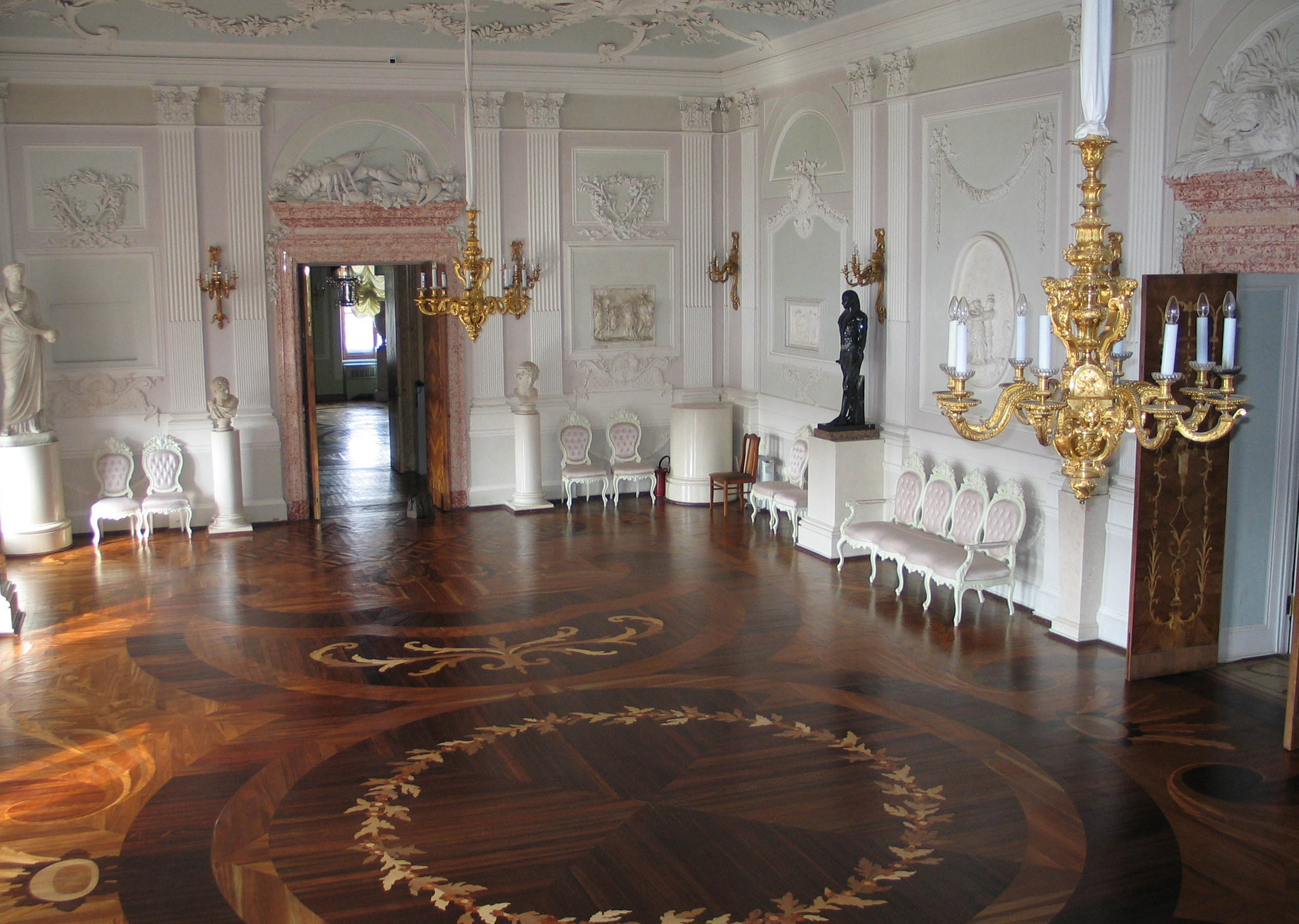
The Regency style occurred from 1700-1730 and was the transitional style from Baroque. The Rococo style was introduced by Regency and was a less formal style of decoration. Furniture during the regency style included lost symmetry and was light and more curved. The frames were more exposed in furniture at this time. Chairs has less of a rectangular back with lower seats. The arms were usually padded and were not an extension of the legs.
Like I said before Rococo style was introduced by Regency and was a less formal style of decoration. During this time there was a rise of the common folk. It was also known as the age of reason and rocaille (rock work). There were many changes in building places including city mansions and townhouses rather than chateaux and palaces. Exteriors and gardens became less important. Confortable and private living were important and they had halls, cooridors and smaller dwellings. Feminine style was introduced by women (the mistresses of Louis XV). This style included secret rooms with openings in paneling or through the back of wardrobes. Hostesses competed with eachother to entertain the most prominent guests. They had every room type we have today, except the bathroom. When it came to furniture the creation of a team or a group of craftsmen belonging to distinct guilds were introduced. These people were paid to decorate and think through spaces to make them appealing. They liked to copy designs. Patterned books were popular at this time as well. The most popular cabinetmaker was Jean Francois Oeben. He was a marqueteur and created the Bureau du Roi.
PHOTOS:
 \
\

CURRENT APPLICATIONS:


YOUTUBE: https://www.youtube.com/watch?v=iLsejn0h-9o
Like I said before Rococo style was introduced by Regency and was a less formal style of decoration. During this time there was a rise of the common folk. It was also known as the age of reason and rocaille (rock work). There were many changes in building places including city mansions and townhouses rather than chateaux and palaces. Exteriors and gardens became less important. Confortable and private living were important and they had halls, cooridors and smaller dwellings. Feminine style was introduced by women (the mistresses of Louis XV). This style included secret rooms with openings in paneling or through the back of wardrobes. Hostesses competed with eachother to entertain the most prominent guests. They had every room type we have today, except the bathroom. When it came to furniture the creation of a team or a group of craftsmen belonging to distinct guilds were introduced. These people were paid to decorate and think through spaces to make them appealing. They liked to copy designs. Patterned books were popular at this time as well. The most popular cabinetmaker was Jean Francois Oeben. He was a marqueteur and created the Bureau du Roi.
PHOTOS:
\ |
CURRENT APPLICATIONS:
YOUTUBE: https://www.youtube.com/watch?v=iLsejn0h-9o
Tuesday, March 29, 2016
FRENCH 2 BAROQUE STYLE
Louis XIV created a national style of art during the Baroque style period. This national style was made also by Jean Baptiste Colbert, who was a french statesman. He also established a school for 60 children under the King's protection. He became "Masters" of their craft. Nicolas Fouquet was the superintendent of Finances. He created Vaux-le-Vicomte which had 105 lavish rooms and 170 acres of gardens. It had Persian carpets, crystal chandeliers, gold locks, silver vases, and also entertained 6,000 guests.


The Palais de Versailles was originally a hunting lodge designed by Louis XIII. It started in 1668 and continued for about a century. When it came to the interior, it was all decorative furniture for royal residences. It had classical architecture and decoration with rectangular shapes with symmetrical ceilings. It also had balances windows and mirrors. It actually includes a hall or mirrors. The gardens here were absolutely amazing.
Chairs at this time had high backs, wide seats for wide dresses. The bergere was also introduced here. A sense of greatness came along with these chairs. A bergere is an enclosed upholstered French arm chair with an upholstered back and armrests on upholstered frames. The materials they used came from China and Japan.
PHOTOS:
CURRENT APPLICATIONS:
YOUTUBE: https://www.youtube.com/watch?v=mvhLdQ5iCiA
Sunday, March 27, 2016
French 1 Review
Scott: I liked how you broke it down into sections and I also really liked all of the pictures you chose!
Alex: I liked how you incorporated your pictures in with your writing. It flowed really well.
Alex: I liked how you incorporated your pictures in with your writing. It flowed really well.
Wednesday, March 23, 2016
FRENCH RENAISSANCE 1
The French Renaissance was the first time we saw a "decorator". These decorators designed luxurious rooms that were consistent with the rest of the job. At this time the ornamaniste or decorator was born. This job required a person that could not only conceive design, but through the process of engraving the design to a client. The decorators at the time were very artistic and provided the highest quality of design.
A famous parton of the arts at this time was Francois I. He used Gothic forms with Italian Renaissance ornament using a transitional style. Some examples of his work are; Loire Valley, Chateau de Champbord, Chateau de Fontainebleau, and the Chateau de Blois. He helped the renovation of the Louvre to Renaissance style.
When it came to architecture they realized there was no need for religious structures, and they started building palaces and chateaux. An example of this is the Loire Valley. This was a park like setting that sprawled the plans of chateaux. The weather required steep roofs, many chimneys, and large windows. The roofs often had two slopes with dormer windows. A famous room that was very common is the mansard roof. This roof type was made by Francois Mansart who was a French Baroque architect. An interesting fact is that the interior usually never matched the outside of a building.
PHOTOS:


CURRENT APPLICATIONS:


YOUTUBE:
https://www.youtube.com/watch?v=l0y3rUDHGF0
A famous parton of the arts at this time was Francois I. He used Gothic forms with Italian Renaissance ornament using a transitional style. Some examples of his work are; Loire Valley, Chateau de Champbord, Chateau de Fontainebleau, and the Chateau de Blois. He helped the renovation of the Louvre to Renaissance style.
When it came to architecture they realized there was no need for religious structures, and they started building palaces and chateaux. An example of this is the Loire Valley. This was a park like setting that sprawled the plans of chateaux. The weather required steep roofs, many chimneys, and large windows. The roofs often had two slopes with dormer windows. A famous room that was very common is the mansard roof. This roof type was made by Francois Mansart who was a French Baroque architect. An interesting fact is that the interior usually never matched the outside of a building.
PHOTOS:
CURRENT APPLICATIONS:
YOUTUBE:
https://www.youtube.com/watch?v=l0y3rUDHGF0
Saturday, March 19, 2016
Spanish Review
Madelyn: You did a good job condensing the information and I really enjoyed the pictures you chose. Overall, good job.
Lisa: I really like your current application pictures and I thought you did a good job talking about all the information about the Spanish Period.
Lisa: I really like your current application pictures and I thought you did a good job talking about all the information about the Spanish Period.
Wednesday, March 16, 2016
THE SPANISH PERIOD
A great loss to the handicrafts and commerce of southern Spain happened in 1607 during the final expulsion of the Moors. The 16th centurey was their most brilliant era in history. There successful navigators and trades resulted in fabulous amounts of gold and silver. The Moors wee from Africa and were kind of like the Islamic designs. They had colorful geometric designs. They also loved woodwork. The Spanish Christian groups was kind of a mix of the two.
The Alhambra was the highest achievement of the Spanish Palaces. It had numerous courtyards with gardens, fountains, and reflecting pools. It was also the last spanish palace they built.
The Mota Castle was built by noble Christain families. IT was build of concrete walls that were faced with brisk. An interesting fact I learned is; more castles were in Spain than any other European country.
The Granda Cathedral was a traditional five-aisle building that had Gothic vaulting. The Cathedral of Seville was located in Seville and it was the largest cathedral in the world in the 15th century. It was also Gothic style. It was even larger than the Hagia Sophia! This building was a great demontration of the cities wealth.
The Plateresco Phase was a silversmiths style. The minute and delicate ornament resembled the work of a silversmith. It was used on exteriors, patios, churches, public buildings, furniture, and accessories. The Desornamentado Phase is unornamented.The powerful style was characterized by austerity. This style applied to court, ecclesiastical and public buildings. It was a reaction to Plateresco Style. This style has carefully defined proportions.
The Escorial was started by Philip II and it started in 1562. It was completed by Juan de Herrera. It was an imitation of the Temple of Solomon. This included a palace and a religious house. It was supposed to have a mausoleum for the king's father, but was never constructed. It is located 30 miles north west of Spain and was a highly "moral" building.
Residential design was influenced by Moorish Design. The interiors included windows, openings, wrought-iron handrails. They also had colored tiles, paneled ceilings, and white decorative borders around the doors and windows.
PHOTOS:


CURRENT APPLICATIONS:


YOUTUBE: https://www.youtube.com/watch?v=yiabIQ-KlZU
Wednesday, March 2, 2016
Italian Renaissance Review
Katie: You did a good job summarizing this chapter. Your were very descriptive. I also really like your first current application picture.
Rachael: I liked how you described each building with bullet points. It made it easier to read. I also really liked the pool examples you chose for current application pictures.
Rachael: I liked how you described each building with bullet points. It made it easier to read. I also really liked the pool examples you chose for current application pictures.
ITALIAN RENAISSANCE
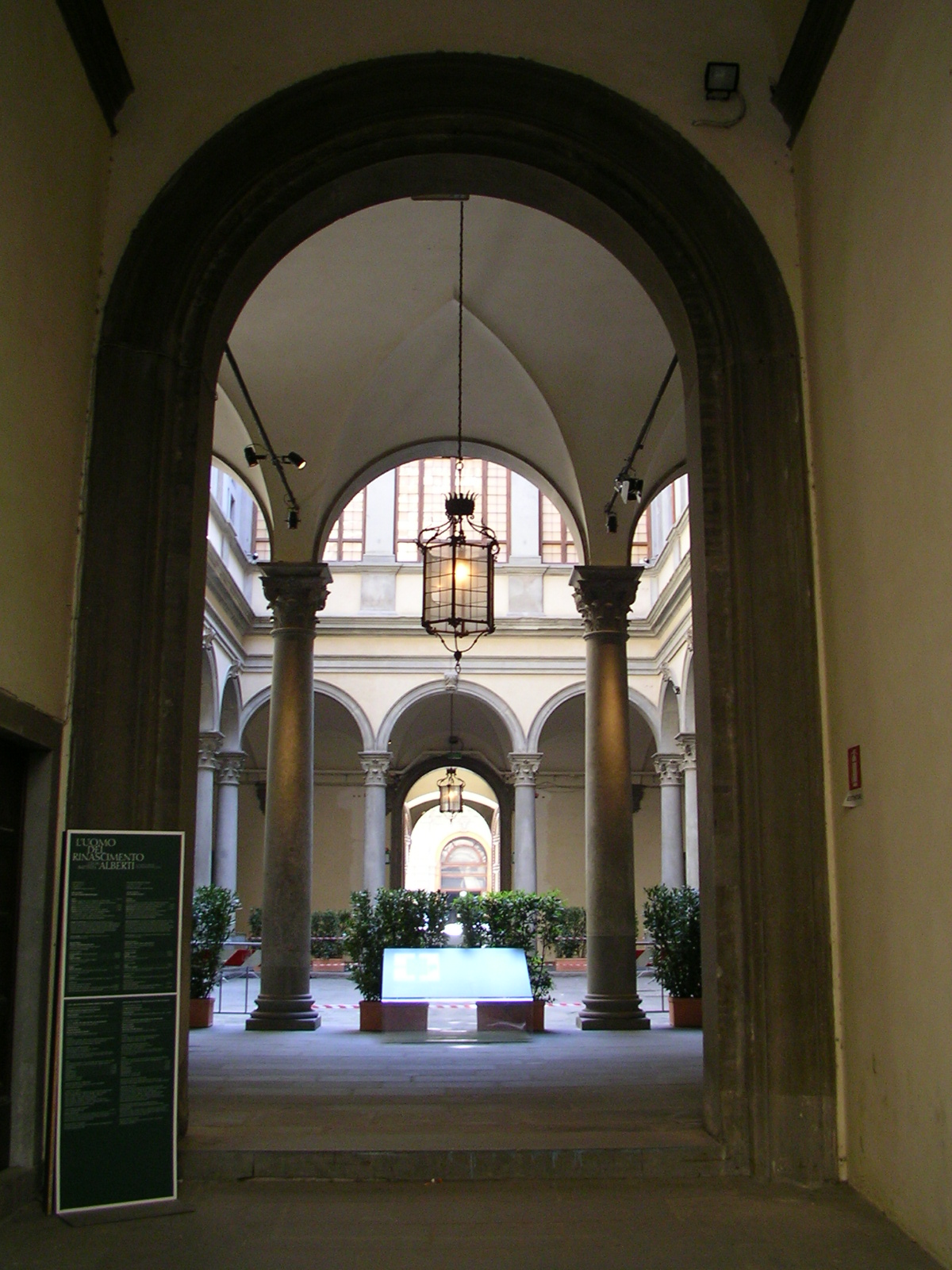
Renaissance began in Florence, Italy and meant "rebirth". It shifted from a religious to a secular emphasis. The Roman catholic church had become very powerful. They were corrupted and misconduct. Martin Luther was a reform of the church. The printing Press was a really important invention at this time. Also, there was the writings of Dante, which supported their movement towards humanism.
Another important person during this time was Lorenzo de' Medici. He promoted family and he was a business man, banker, and patron of the arts. Everyone in Italy was interested in the arts. It didn't matter if you were rich or poor. Another thing that was popular was residential design. Comfort, convenience and beauty became important, rather than safety, strength and protection. A well rounded education was important for "The Renaissance man".
Ancient Roman style and details added to buildings medieval in concept. There was also an emphasis on interior architecture, not the furniture. One of the finest achievements of the Italian Renaissance was the Italian Renaissance. Power and influence of prominent families included the Medici family. Brunelleschi was a famous architect, sculpture and mechanical engineer. He started the addition of Florence Cathedral. He was the person who first acknowledged Renaissance architecture. Two more important buildings were; Florence Cathedral (main church in Florence, and the Brunelleschi (inspired by Pantheon).
The Renaissance palazzo facade was the term that refers to the general shape, proportion and a cluster of characteristics, rather than a specific design. The design during this time was symmetrical, compound repeated windows, and heavy cornices. They usually had no hallways, walls pierced with niches, and living spaces over stores similar to the Roman insula.
Furniture was portable and sparce. It had inlays of ivory, lapis, marble, onyx, and other stones. They was usually gilding on furnature. The finest furnature was walnut. Examples of furnature were; straight box-like armchar(sedia), the sgabello, the X chair, the Savonarola chair, and the chest.
PHOTOS:


CURRENT APPLICATIONS:


YOUTUBE:https://www.youtube.com/watch?v=MZyd_samvCU
Another important person during this time was Lorenzo de' Medici. He promoted family and he was a business man, banker, and patron of the arts. Everyone in Italy was interested in the arts. It didn't matter if you were rich or poor. Another thing that was popular was residential design. Comfort, convenience and beauty became important, rather than safety, strength and protection. A well rounded education was important for "The Renaissance man".
Ancient Roman style and details added to buildings medieval in concept. There was also an emphasis on interior architecture, not the furniture. One of the finest achievements of the Italian Renaissance was the Italian Renaissance. Power and influence of prominent families included the Medici family. Brunelleschi was a famous architect, sculpture and mechanical engineer. He started the addition of Florence Cathedral. He was the person who first acknowledged Renaissance architecture. Two more important buildings were; Florence Cathedral (main church in Florence, and the Brunelleschi (inspired by Pantheon).
The Renaissance palazzo facade was the term that refers to the general shape, proportion and a cluster of characteristics, rather than a specific design. The design during this time was symmetrical, compound repeated windows, and heavy cornices. They usually had no hallways, walls pierced with niches, and living spaces over stores similar to the Roman insula.
Furniture was portable and sparce. It had inlays of ivory, lapis, marble, onyx, and other stones. They was usually gilding on furnature. The finest furnature was walnut. Examples of furnature were; straight box-like armchar(sedia), the sgabello, the X chair, the Savonarola chair, and the chest.
PHOTOS:
CURRENT APPLICATIONS:
YOUTUBE:https://www.youtube.com/watch?v=MZyd_samvCU
Saturday, February 27, 2016
China and India review
Madelyn: You did a good job summarizing this section into three paragraphs. I also liked your current application pictures you found.
Lisa: I really liked all your pictures you found, especially the chair. Also, you did a good job writing a lot.
Lisa: I really liked all your pictures you found, especially the chair. Also, you did a good job writing a lot.
Thursday, February 25, 2016
The Americas Review
Savannah: I liked the pictures she chose, especially to one of the landscape. Very different from the other, which I liked.
Katie: I liked how you split up each group, and went into detail about them. Overall, really good blog.
Katie: I liked how you split up each group, and went into detail about them. Overall, really good blog.
Wednesday, February 24, 2016
CHINA and INDIA
The architecture of China is as old as the Chinese civilization. The Chinese have always enjoyed an indigenous system of construction that has retained its principal characteristics from back then to current day. From Chinese Turkistan to Japan, form Manchuria to the Northern half of French Indonesia, the same system of construction occurred. Those areas were the areas of Chinese influence. China has the worlds larges continuous civilization which lasted 4,000 years. Today, it has the worlds largest population. When it came to architecture techniques, they agnowledged the important people in the Buddha religion. Also, the stupa ( a mound of dirt where a more permanent structure is build over) came into China as Buddhism spread to that region. The Chinese also invented the Pagoda which is a combination of the Stupa and Chinese tower building. Chinese architecture includes the Great Wall of China. This fortification was build out of stone, wood, brick, mud, and earth. It is 5500-13000 miles long. Interiors of architecture were both residential and commercial buildings that were based of courtyard building style. They focused on the layout and symmetry.
India also used the stupa technique. They also acknowledged the important people in the Buddhist religion. They had a lack of furniture. People would tend to eat, sleep, and sit on the floor. A major stupa for India was the Great Stupa of Sanchi.
PHOTOS:


CURRENT APPLICATIONS:


YOUTUBE:https://www.youtube.com/watch?v=7708E1bmoxc
India also used the stupa technique. They also acknowledged the important people in the Buddhist religion. They had a lack of furniture. People would tend to eat, sleep, and sit on the floor. A major stupa for India was the Great Stupa of Sanchi.
PHOTOS:
CURRENT APPLICATIONS:
YOUTUBE:https://www.youtube.com/watch?v=7708E1bmoxc
THE AMERICAS
During this time there were four major groups; the Olmecs, the Aztecs, the Mayans-Tolecs, and the Incas. The geography included low lands that were humid and tropical, and mountains that had extreme climate shifts. Religion was big during this time as well. They cad ceremonial centers that were the nuclei of the Mesoamerican settlement. They has temples too, that provided spatial orientation for the town. The pyramids were made to stand out and represent the gods and powers of religion. When I say many gods, I mean they believed in many gods (Polytheistic). They also believed in human sacrifice.
The Olmecs were the first major civilization in Mexico. They wer around from 2000-300 B.C. and came to a violent unknown end. They were known as the people of the rubber country. They were also well known for developing hieroglyphic writing. They were also the first to come up with a calendar in the Western Hemisphere. The temples around there civilization were a main focus of there city life. The jaguar was the symbol of their chief deity and they had realistic art. They were the first example of temple focused city type. The ceremony center was composed of the great pyramid of earth, ball court, smaller pyramids, burial grounds and giant stone heads.Artwork consisted of delicate carvings of jade, rock crystal, and less valuable stone. They had ax heads, masks and decorative objects. They also had mural paintings and pottery.
The Teotihuacans were named the city "Place of the gods" during 250B.C. -99A.D.. The cities ceremonial center was two miles in length, had a center spine, and had the Temple of the Feathered Serpent and the Pyramid of the sun/pyramid of the moon. This city was laid out in a grid with the houses of the elite raised up on a platform. They had no city walls which showed a sign of a powerful society with no enemies. Decorative motifs during this time included; birds, butterflies, flowers, and abstract signs.
The Aztecs were around from 1150-1520 A.D.. Their Tenochtitlan's center of Aztec civilization. The temple Mayor had two temples; the god of war, and the god of agriculture. The Templo mayor destroyed by the Spanish. The pyramids of the sun and moon were made out of stone and brick. They also had floating gardens. They were the first to create art expression through thoughts of life. When it came to agriculture, the chinampas was a raised garden bed that was located in a swamp or shallow lake. They had the most productive agriculture design ever developed by humans.
Finally, the Incas were the largest empire in Pre-Columbian America. They were around from 1200-1572 C.E.. There were known for there architecture and the mastering of stone cutting. They had climate variations and a capitol of Cuzco. Machu Picchu was built without mortar and was located in a seismically unstable area. It had trapdoor shaped opening and it was never discovered by the spanish. It was however discovered by an American professor Bingham in 1911.
PHOTOS:


CURRENT APPLICATIONS:


YOUTUBE: https://www.youtube.com/watch?v=mTRTPYzQ8mU
The Olmecs were the first major civilization in Mexico. They wer around from 2000-300 B.C. and came to a violent unknown end. They were known as the people of the rubber country. They were also well known for developing hieroglyphic writing. They were also the first to come up with a calendar in the Western Hemisphere. The temples around there civilization were a main focus of there city life. The jaguar was the symbol of their chief deity and they had realistic art. They were the first example of temple focused city type. The ceremony center was composed of the great pyramid of earth, ball court, smaller pyramids, burial grounds and giant stone heads.Artwork consisted of delicate carvings of jade, rock crystal, and less valuable stone. They had ax heads, masks and decorative objects. They also had mural paintings and pottery.
The Teotihuacans were named the city "Place of the gods" during 250B.C. -99A.D.. The cities ceremonial center was two miles in length, had a center spine, and had the Temple of the Feathered Serpent and the Pyramid of the sun/pyramid of the moon. This city was laid out in a grid with the houses of the elite raised up on a platform. They had no city walls which showed a sign of a powerful society with no enemies. Decorative motifs during this time included; birds, butterflies, flowers, and abstract signs.
The Aztecs were around from 1150-1520 A.D.. Their Tenochtitlan's center of Aztec civilization. The temple Mayor had two temples; the god of war, and the god of agriculture. The Templo mayor destroyed by the Spanish. The pyramids of the sun and moon were made out of stone and brick. They also had floating gardens. They were the first to create art expression through thoughts of life. When it came to agriculture, the chinampas was a raised garden bed that was located in a swamp or shallow lake. They had the most productive agriculture design ever developed by humans.
Finally, the Incas were the largest empire in Pre-Columbian America. They were around from 1200-1572 C.E.. There were known for there architecture and the mastering of stone cutting. They had climate variations and a capitol of Cuzco. Machu Picchu was built without mortar and was located in a seismically unstable area. It had trapdoor shaped opening and it was never discovered by the spanish. It was however discovered by an American professor Bingham in 1911.
PHOTOS:
CURRENT APPLICATIONS:

YOUTUBE: https://www.youtube.com/watch?v=mTRTPYzQ8mU
Subscribe to:
Comments (Atom)